
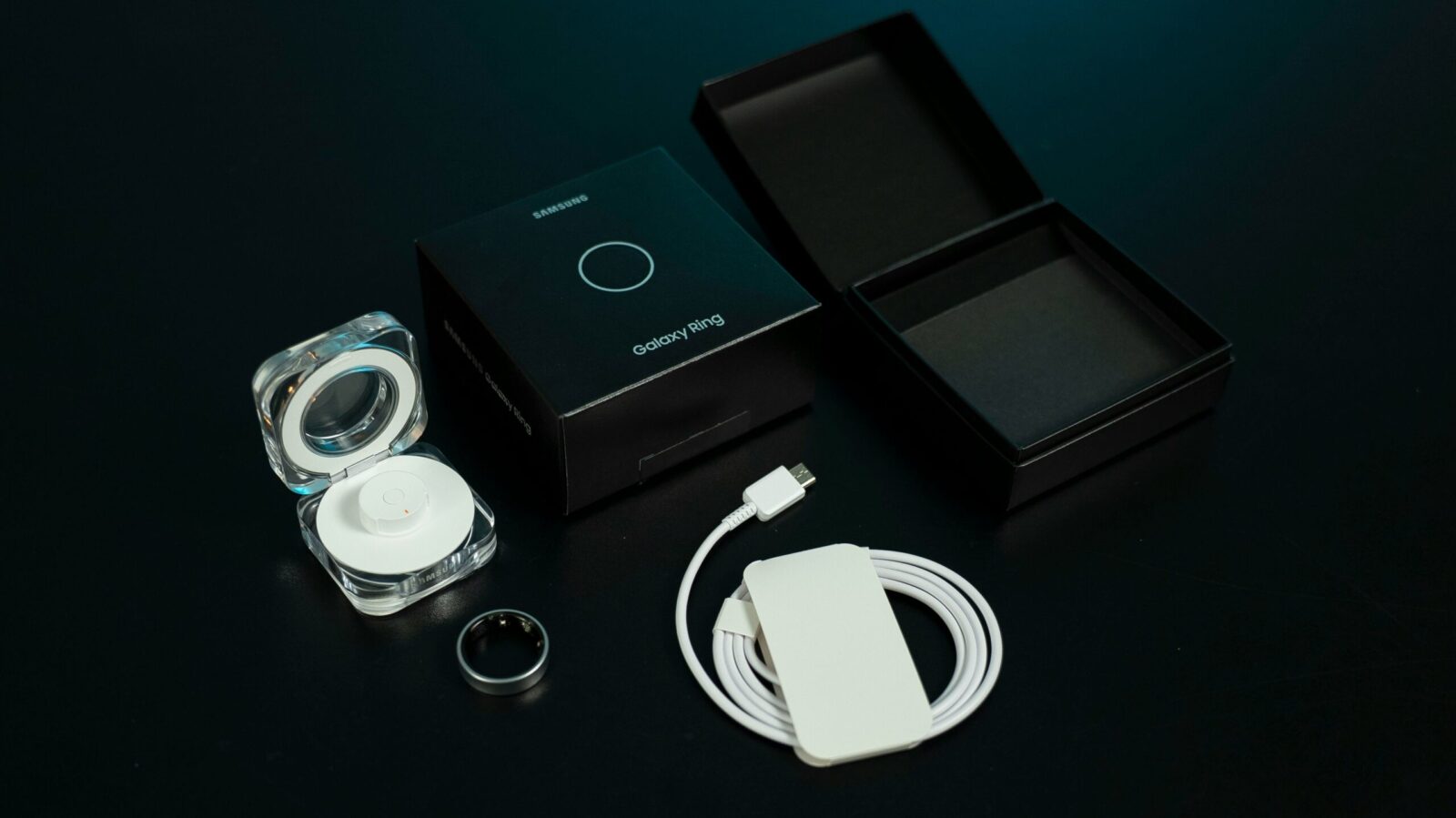
The Smart Ring Surge: Why They’re Everywhere Now
Smart rings have quietly become one of the most talked about wearable technologies of the decade. What once felt futuristic has now gone mainstream, thanks to advances in miniaturized sensors, improved battery life, and sleek design.
Why Smart Rings Are Gaining Traction
Consumers are embracing smart rings for several key reasons:
Compact and Discreet: Unlike smartwatches or fitness bands, smart rings are less intrusive and more fashion friendly. They offer high tech functionality without drawing attention.
No More Bulky Wearables: Users are moving away from heavier wristwear and opting for lighter, less obtrusive options.
Always On Utility: With continuous health tracking, personalized alerts, and gesture controls, smart rings provide 24/7 utility without needing to be charged as frequently.
Who’s Buying In: Market Growth Across Demographics
Adoption of smart rings is rapidly expanding, and the numbers back it up:
Global Market Growth: Industry analysts project the smart ring market to grow at a compound annual growth rate (CAGR) of over 20% through 2026.
Cross Generational Adoption:
Gen Z & Millennials love the sleek, minimal design and seamless app integrations.
Gen X & Boomers are attracted to the health tracking and emergency alert features.
Hybrid Use Cases: From high performance athletes to professionals who need subtle notifications during meetings, the appeal is wide and varied.
Smart rings are no longer niche gadgets they’re shaping up to be the go to wearable for people looking for smarter, simpler personal tech.
Health Monitoring Without the Hassle
Forget bulky wristbands. The smart ring has become the go to wearable for seamless health tracking small enough to forget it’s there, smart enough to keep tabs on what matters. At the front of the pack: continuous heart rate and blood oxygen monitoring. Whether you’re asleep, lifting weights, or grinding through a Monday, your finger is now the silent observer, collecting data constantly and passively.
Sleep tracking has also grown up. It’s no longer just about how long you were in bed. These rings analyze sleep stages, identify disturbances, and offer patterns over weeks instead of one off summaries. That clarity is forcing users to actually change habits earlier wind downs, less screen time, smarter caffeine use.
Real time stress detection and hydration alerts round out the core toolkit. When your body’s under pressure, the ring knows before you do. It pushes subtle nudges breathe slower, drink water, adjust pace. Nothing flashy, just practical feedback you can act on without opening three different apps.
The result? Users say it’s not just about insights it’s about behavior change. These smart rings aren’t just tracking it’s low friction accountability. Personal wellness is shifting from guesswork to a quiet, data backed routine, and most people wearing these rings aren’t looking back.
Payments, Access, and Identity
Smart rings are turning everyday routines into seamless, secure interactions. Need to pay for a coffee? One quick tap at the reader done. No need to pull out your phone or card. This kind of contactless payment isn’t just convenient; it’s fast becoming a new norm, especially in cities where people value speed and simplicity.
But smart rings go way beyond checkout lines. They now act as digital keys, giving wearers access to homes, offices, and even cars. Lose your keys? Doesn’t matter you’re already wearing them. This kind of ambient access puts utility front and center without the baggage (literally) of carrying extra hardware.
Identity management is also getting a quiet revolution. Smart rings use built in biometric sensors to simplify multi factor authentication. Scan a fingerprint or sense your pulse profile to approve logins or sign documents without reaching for another device. It’s subtle security without added steps.
Convenience, security, and control all in a band barely thicker than your average wedding ring.
Communication and Notifications Streamlined

Smart rings in 2026 aren’t trying to shout for your attention they’re nudging you privately. Discreet haptics let you know when a call, message, or update rolls in, without a screen lighting up or pulling you away from the moment. It’s awareness without interruption.
Technology has also gone tactile. Users can program gesture shortcuts to manage alerts and interactions in seconds. A flick of your finger can answer a call; a tap can silence it. The ring becomes command central without requiring a glance no fuss, no noise.
Even better: these signals are fully customizable. Whether you’re deep in work or trying to stay focused at a gathering, you can fine tune which alerts break through and which stay muted. No more digital overload or missing something important. Just the signals you choose, how and when you want them.
Personal AI Assistants On Hand
Smart rings have gone from simple step counters to full fledged command hubs, seamlessly linked into personal AI ecosystems. These aren’t just status trackers anymore they’re your assistant, coach, and scheduler, all sitting quietly on your finger.
The integration with AI has turned smart rings into tools for real time decision support. Think reminders that adjust based on your calendar, habits, and even stress levels. You miss sleep? Your ring might reschedule your workout and hydrate you through subtle nudges. Running late to a meeting? It could fetch traffic updates, notify attendees, and pull up your notes.
Daily task management is frictionless your ring becomes the liaison between your intentions and the digital noise they get buried in. With contextual AI, suggestions feel less like spam and more like helpful nudges: “Take a break now, you’re out of your focus window,” or “You’re nearing max stress 10 minutes of walking will help.” It’s low effort but high touch.
The health piece is where it gets even more personal. Machine learning tailors lifestyle tips based on your actual patterns how you sleep, when you move, and how your biomarkers react to that third cup of coffee. This isn’t one size fits all advice. It’s coaching that evolves with you.
For more on how wearable AI is becoming essential gear, see AI in Wearables.
Fitness Tracking at a Whole New Level
Smart rings aren’t just glorified step counters anymore. In 2026, they’re built to recognize a growing range of physical activities from casual walking to high intensity interval training and even deadlifts. Sensors pick up on unique motion patterns and biometrics, allowing your ring to start logging a workout without you lifting a finger (except, well, the one it’s on).
What’s more useful than automatic tracking? Real time feedback. Smart rings now tap into movement data and biometric signals like heart rate variability and joint strain to give subtle nudges on how your form stacks up mid rep. Think posture correction cues or tempo guidance delivered through app connected audio or haptic feedback. It’s like getting a micro coach without hiring one.
Integration is tight, too. Whether you’re using Strava, Apple Health, or niche lifting trackers, smart rings talk to those apps without friction. Your data stays unified, stretching across sleep, performance, and recovery metrics. Consistency becomes second nature when the tech works behind the scenes.
In short: smart rings are turning into full blown fitness companions, not just trackers.
The Future: Where Smart Rings Are Headed
Smart rings are moving well beyond fitness and notifications they’re stepping straight into the future. One major leap: integration with AR and VR platforms. Imagine navigating a virtual workspace with a flick of your finger or tweaking 3D objects mid air without holding a controller. With motion sensors and haptic feedback advancing, smart rings are poised to become intuitive input devices for virtual environments.
Then there’s predictability. These devices are starting to learn more than just habits they’re starting to act on them. By analyzing sleep patterns, stress triggers, commute routines, and even gestures, smart rings can anticipate needs before we voice them. Grab your keys too often after dinner? Your smart ring might suggest prepping your HVAC or unlocking your car as you wrap up your meal.
Finally, the industry’s paying closer attention to sustainability because stuffing sensors into plastic isn’t a long term plan. Expect to see biodegradable casing materials, recycled rare earth elements, and ultra low power chips that charge via body heat or ambient movement. The future of wearable tech isn’t just smarter it’s lighter on the planet, too.
(For further reading: AI in Wearables)