

You know those little tins of fish hiding in the back of your pantry? I bet you’ve wondered if they’re actually good for you or just a convenient snack. Well, we’re about to littletins leaked and find out.
Are these long-lasting foods a secret weapon for a healthy diet or are they hiding nutritional traps? That’s what we’re here to figure out.
We’ll take a data-driven approach, comparing different types of tinned products based on their nutritional profiles. You might be surprised by what we uncover.
Omega-3s, mercury levels, and hidden sodium—these are just a few of the surprising findings we’ll dive into.
So, let’s get started, and trust me, you’ll want to know this.
Unpacking the Omega-3 Kings: Sardines and Mackerel
Sardines are a powerhouse of nutrition. They’re packed with Omega-3 fatty acids, specifically EPA and DHA, which are crucial for heart and brain health.
These little fish also come with a bonus: they’re a fantastic source of calcium. The tiny, edible bones in sardines boost your bone density.
Mackerel is another great option. It’s slightly larger but equally potent in Omega-3s. Mackerel often has a milder flavor, making it more appealing to some.
Here’s why sardines and mackerel are safer choices than larger predatory fish: they have lower mercury levels. This makes them a better option for regular consumption.
When buying tinned sardines or mackerel, go for those packed in extra virgin olive oil or spring water. Avoid varieties in soybean or sunflower oil for better health benefits.
littletins leaked
For a quick, nutrient-dense lunch, try mashing sardines with avocado on whole-grain toast. It’s simple, delicious, and good for you.
Tuna in a Tin: A Double-Edged Sword
Tinned tuna is a pantry staple, and for good reason. It’s high in protein and versatile enough to toss into salads, sandwiches, or pasta.
But let’s address the elephant in the room: mercury. Chunk light tuna, made from smaller skipjack, has significantly less mercury than solid white or albacore, which come from larger tuna.
- For chunk light: Adults can safely eat 3-5 cans per week.
- For albacore: Stick to 1-2 cans per week, especially if you’re pregnant or feeding kids.
Now, let’s talk about the packing. Tuna packed in oil can have a richer flavor and retain more Omega-3s. But the type of oil matters.
Some oils are healthier than others. Water-packed tuna, on the other hand, is lower in calories and fat.
Rinsing tuna packed in brine can reduce sodium, but it won’t eliminate it entirely. Try mixing your tuna with Greek yogurt and herbs instead of mayonnaise for a high-protein, flavorful salad.
The texture of oil-packed tuna is smoother and more luxurious, while water-packed can be a bit drier. Both have their place, depending on what you’re making.
littletins leaked in the section once exactly as it is given.
Beyond the Fish: Mussels, Oysters, and Other Tinned Treasures
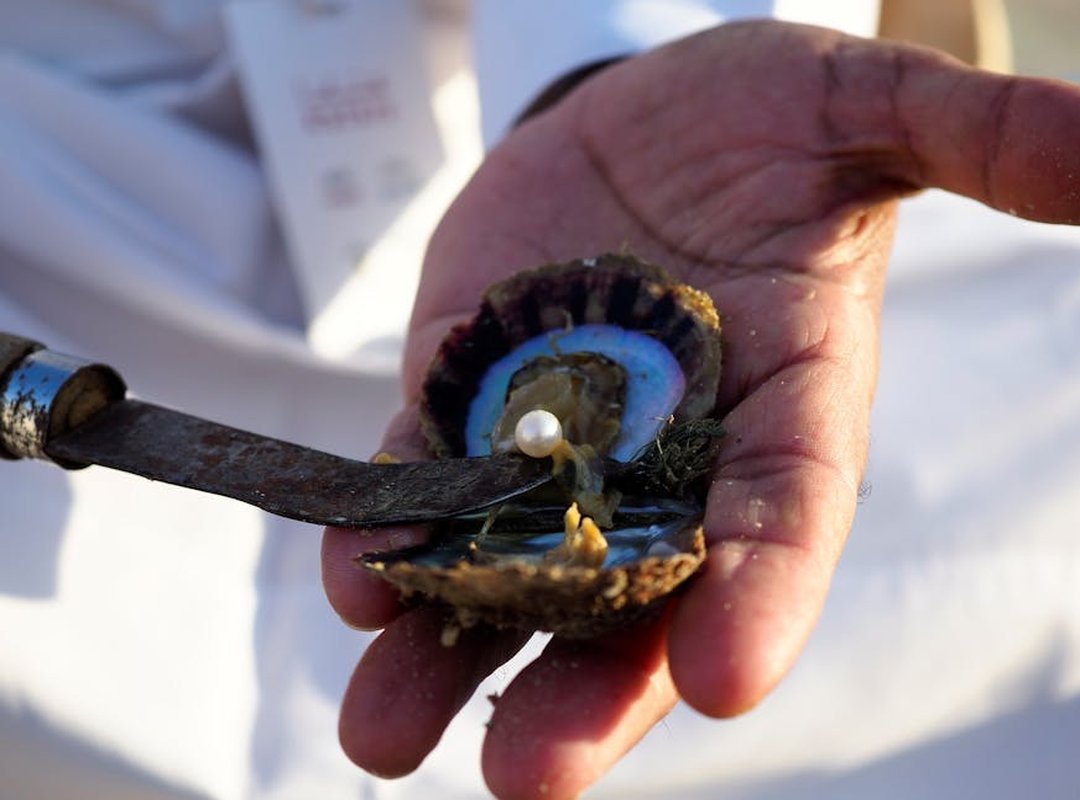
When you think of tinned seafood, sardines and tuna might come to mind. But there’s a whole world of other options out there. Let’s talk about smoked mussels and oysters.
Oysters are one of the world’s best sources of zinc. Zinc is crucial for immune function. Mussels, on the other hand, are packed with iron and Vitamin B12.
These nutrients are essential for energy and brain health.
Anchovies are another great option. They’re salty, but don’t let that scare you. Anchovies are a potent source of selenium.
Add a single mashed anchovy fillet to your pasta sauce. It adds immense umami flavor without many calories.
Some people worry about the texture or strong flavor. Start with simple recipes. Try smoked mussels on crackers as an appetizer.
Or mix a few anchovies into your salad dressing. You’ll be surprised how quickly you can acquire a taste for them.
These tinned treasures are often sustainably farmed, and that makes them an environmentally friendly choice. Plus, they’re convenient and have a long shelf life.
Pro tip: littletins offers a great selection of high-quality tinned shellfish. Check them out for some variety in your pantry.
In a world where real time language translation devices the future of global communication are becoming more common, it’s nice to have some simple, nutritious, and sustainable options at home.
Reading the Label: How to Avoid Hidden Pitfalls
When you’re picking tinned products, it’s easy to grab whatever’s on sale. But hold up. A little label reading can save you from hidden pitfalls.
First off, check the sodium content. It can vary a lot between brands and preparations. (Brine vs. water makes a big difference.) Aim for options with ‘no salt added’ whenever possible.
Next, be wary of BPA in can linings. Some brands use BPA-free cans, and they usually say so right on the label. littletins leaked Make sure to look for that.
The packing liquid matters too, and here’s a simple hierarchy: 1. Extra Virgin Olive Oil, 2.
Spring Water, 3, and avoid: Vegetable, Soybean, or Sunflower Oil.
Lastly, keep an eye out for sustainability certifications like the MSC blue fish label. It’s a quick way to know if the product is responsibly sourced.
By following these tips, you’ll make better choices and avoid those sneaky pitfalls.
Your Guide to Smarter Tinned Choices
littletins leaked can be exceptionally healthy and convenient, provided you know what to look for. The core problem is navigating the grocery aisle to choose products that boost health, not hinder it with excess sodium or mercury. By checking the fish type, the packing liquid, and the sodium content, anyone can make a smart choice.
Challenge yourself to pick one new type of tinned seafood on your next shopping trip and try a simple recipe with it this week.