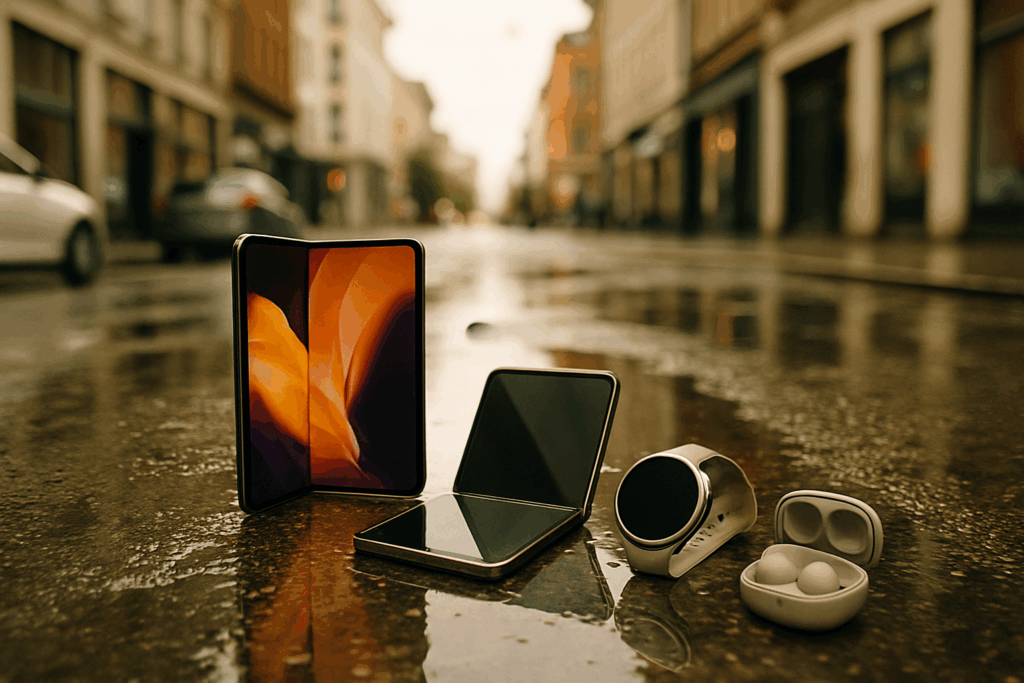
Foldables Go Mainstream
Foldable phones are no longer just flex pieces for tech nerds they’ve made the leap from concept devices to everyday tools. Thanks to big leaps in design and durability, what was once a gimmick is now practical enough to be someone’s main phone. People are throwing Galaxy Z Folds and Pixel Folds into backpacks and back pockets without a second thought.
Devices like Samsung’s latest Z Fold and Z Flip, and Google’s Pixel Fold, are leading the charge. These phones aren’t just slimmer they’re smarter. Foldables now let you bounce between tasks like editing video and replying to comments without clunky app switching. For vloggers especially, the dual screen options and desktop feels in your pocket add real muscle to mobile workflows.
The hardware has caught up to the hype. Hinges feel tighter and more reliable. Screens are brighter and smoother, with fewer of the early gen wrinkles. And the software? Finally optimized. Android now handles multi window and folding logic with far less friction. It’s not perfect, but it’s ready for prime time. Which means the era of foldables as real deal creator tools is officially here.
Smart Rings: Minimal Tech, Maximum Impact
Smart rings aren’t trying to replace your phone or smartwatch they’re quietly doing a few things better. These wearables sit snug on your finger, tracking metrics like heart rate variability, skin temperature, oxygen saturation, and even stress patterns more accurately than wrist based sensors. Why? Blood vessels in the finger offer stronger, cleaner signals.
But it’s not just about tracking more precisely it’s about doing it quietly. Smart rings don’t buzz or glow. No screen, no texts, no distractions. That’s the point. They’re for people who want the data without the noise. That discretion, paired with sleek, often luxury grade design, is turning heads among health conscious users and minimalists alike.
Battery life also plays a big role in the switch. Most smart bands or watches last a day or two; smart rings can stretch to nearly a week without needing a charge. For travelers, high performers, or just the forgetful, that matters.
Want to dig deeper? Explore the growing world of smart ring use cases, from sleep optimization to early illness detection. These aren’t gimmicks they’re tools designed to fit a more streamlined future.
The Convergence of Innovation and Utility
Specs aren’t everything anymore. Users in 2024 care less about having the highest resolution or fastest processor and more about how a device fits into everyday life. That means wearables and foldables have to be smarter, more useful, and less obvious. Sleek form factors that disappear into your routine are winning over bulky, maxed out gear.
Privacy and comfort are no longer afterthoughts they’re at the core of design. People want tools that feel invisible when worn, collect only what’s necessary, and hold power without being invasive. That’s driving a wave of redesigns across the market, from softer, skin friendly materials to better permission settings baked right into the onboarding process.
AI is quietly doing the heavy lifting. It’s managing when sensors activate, squeezing every drop out of a battery, and streamlining the flow of information so you don’t deal with noise. The goal: fewer pings, more signal. For buyers and for brands the new gold standard is utility that plays nice with your body and your boundaries.
What’s Fueling the Hype
Gen Z and Millennials aren’t just passively adopting new devices they’re shaping the market with how they live. With lives split between gig work, fitness apps, and social hangouts, these users are leaning hard into tools that flex with them. One device for everything? Not quite. But one wearable that tracks your HRV and fits under a blazer? That’s the vibe.
Fitness influencers, startup founders, remote creatives they’re the new frontline of wearables. When someone with 400K followers casually drops their smart ring stats mid run or folds their phone on a plane tray mid edit, it signals a lifestyle. And that’s what tech makers are listening to.
Traditional spec wars are making way for purpose built simplicity. Big tech is shifting focus: fewer devices, more meaningful features. Foldables that collapse and go. Smart rings that vanish until needed. The message from hardware brands is clear utility over flash, and just enough tech to improve your flow without distraction.
What to Watch Next
The line between tech accessory and functional identity is starting to blur. Smart rings are no longer just passive health trackers they’re stepping into more transactional territory. Early pilots hint at these rings becoming digital ID badges and even contactless payment tools. Less screen, more function. Think unlocking a door, verifying age, or checking into an event just by tapping your ring it’s subtle, secure, and fast.
Foldables aren’t just folding anymore they’re projecting. Several brands are testing holographic display tech that turns a small screen into something much bigger, at least to the eye. It’s still early days, but the buzz is real. Content creators and mobile first professionals could get more screen real estate without more bulk.
As all this unfolds (literally), the big three Google, Apple, Samsung are pushing for deeper ecosystem plays. Devices don’t just sync; they coordinate. Notifications jump across screens, calls move from ring to foldable to tablet, settings adapt based on context. For users, the appeal is simple: less friction, more flow. Expect these ecosystems to get stickier in 2024, locking in users not with hardware specs but with seamless experience.
Smart rings started as a sleek way to track steps or sleep without a bulky smartwatch. But now, they’re edging toward a whole new level of usefulness. From early illness detection to securing your digital identity, these compact wearables are proving they’re more than a fashion forward gimmick.
What’s catching attention is how smart rings do less but do it better. Their focus is tight: biometric tracking, gesture control, secure authentication. They don’t try to be miniature smartphones on your finger. That gap in ambition turns out to be a strength. Longer battery life, improved comfort, and greater discretion have earned them serious fans among travelers, biohackers, and even corporate security teams.
And it doesn’t stop there. Some newer models are dipping their toes into payment systems and access control swipe your hand, and you’re in. As smartwatches pile on apps, menus, and interruptions, smart rings are finding traction with users who want silent utility.
For more insight, explore smart ring use cases that show why these tiny devices might outpace smartwatches sooner than you think.