

If you’re looking for the 7-letter solution to merkwaardige voorwerpen in a Dutch crossword, it’s CURIOSA. This word, while used in Dutch puzzles, actually comes from Latin and is also used in English.
Curiosa refers to rare, unusual, or intriguing items. These are things that people collect because they’re unique or peculiar.
You might be surprised to see a Latin word in a Dutch crossword, but it’s pretty common. European crosswords often use loanwords, which makes them more interesting and challenging.
In the next few paragraphs, I’ll dive into the history of curiosa and the fascinating collections it describes. Trust me, it’s a rabbit hole worth exploring.
What Exactly Are ‘Curiosa’? A Deeper Look
So, you’ve heard the term “curiosa” and thought, “Is that just a fancy way of saying ‘weird stuff’?” Well, you’re not entirely wrong.
Curiosa comes from the Latin word curiosus, which means careful or inquisitive. It’s like the ancient Romans were already into collecting oddities.
- Natural history specimens (strange shells, fossils)
- Scientific instruments
- Historical relics
- Peculiar works of art
These are the kinds of things that fall under the curiosa umbrella. Think of it as a treasure trove for the intellectually curious.
Unlike antiques or fine art, the value of curiosa often lies in their strangeness or the story they tell, not just their age or beauty.
Take a shrunken head, for example. Sure, it’s old, but its real value is in the eerie, almost morbid fascination it evokes. Or how about a piece of the first transatlantic cable?
It’s not just a chunk of metal; it’s a piece of history that connects us to a time when communication was revolutionized.
And then there’s the intricately carved nautilus shell. It’s not just a pretty object; it’s a testament to the skill and imagination of the artist who created it.
In Dutch, they have a similar term: merkwaardige voorwerpen 7 letters. It translates to “notable objects,” but it captures the same essence of curiosa—things that make you stop and think, “Huh, that’s interesting.”
So, next time you come across something that makes you do a double-take, you might just be looking at a piece of curiosa. And isn’t that what collecting is all about—finding the weird and wonderful?
The Original ‘Man Caves’: A History of Curiosity Cabinets
Ever wondered where the idea of a personal museum came from? Well, it all started with something called a “Cabinet of Curiosities” or “Wunderkammer” in German. These were like the original man caves, but instead of a big TV and a fridge, they were filled with all sorts of weird and wonderful things.
During the Renaissance, these collections were a big deal. They showed off a collector’s wealth, worldliness, and understanding of the natural world. It was a way to say, “Look at me, I know stuff and I’ve got cool things.”
The items in a Wunderkammer were usually divided into four main categories: Artificialia (man-made objects), Naturalia (natural objects), Scientifica (scientific instruments), and Exotica (items from foreign lands). Imagine stepping into one of these rooms. You’d see taxidermy crocodiles hanging from the ceiling, intricate clockwork automata, and maybe even a mermaid skeleton (which, let’s be honest, was probably just a monkey and a fish sewn together).
These private collections were like a treasure trove of knowledge and wonder. But here’s the kicker: they weren’t just for the rich and powerful. Over time, these personal collections evolved into public museums. merkwaardige voorwerpen 7 letters
This made all that knowledge and wonder accessible to everyone, not just a select few.
So, why should you care about this? Understanding the history of Wunderkammern can give you a new appreciation for modern museums. Plus, it might inspire you to start your own little collection of merkwaardige voorwerpen 7 letters—strange and fascinating objects that tell a story.
Modern Curiosa: What We Collect Today
Think of a modern cabinet of curiosities as a time capsule, but one that’s constantly evolving. It’s like a treasure chest where each item tells a story.
- Vintage electronics (like an original Apple I computer).
- Rare sneakers.
- Movie props.
- Digital collectibles like early NFTs.
These are the merkwaardige voorwerpen 7 letters of our time. They’re not just objects; they’re pieces of history, culture, and personal identity.
The internet has transformed how we collect. Platforms like eBay or Etsy are like global bazaars, where you can find and trade these peculiar items from anywhere in the world.
Why do we collect such odd things? It’s about owning a piece of history, connecting with a unique story, or expressing individuality.
What’s in your own ‘curiosa’? The unusual objects you own that have a special meaning or story. Maybe it’s a vintage toy, a rare book, or a family heirloom.
Each one is a thread in the tapestry of your life.
How to Solve Similar Tricky Crossword Clues
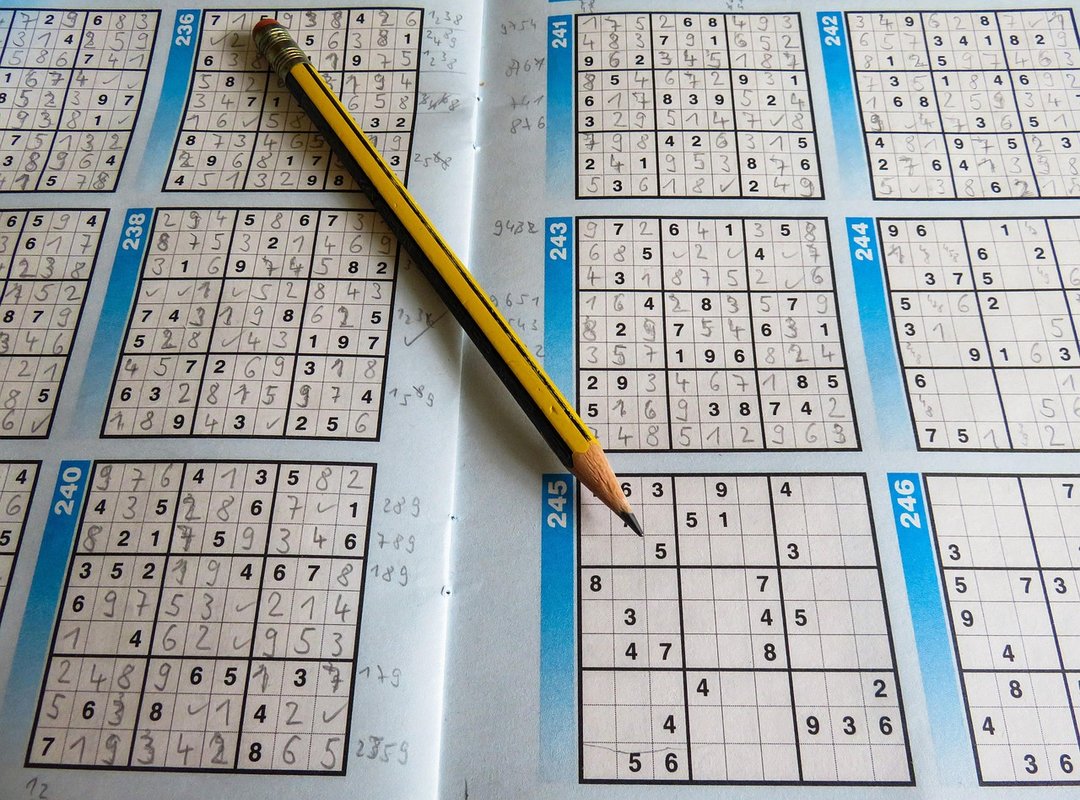
Tackling foreign or obscure words in crosswords can be a real challenge. Look for loanwords—words adopted from other languages without translation, like curiosa, bona fide, and schadenfreude.
Sometimes, the clue is a merkwaardige voorwerpen 7 letters. It’s Dutch for “strange objects,” but you might not know that off the bat.
Think about the historical context of a word or concept. Many puzzles draw from classical knowledge, so a bit of history can go a long way.
If you’re stuck, try using online crossword solvers or anagram tools as a last resort. But first, work out the logic on your own.
Learning the stories behind these words makes solving future puzzles easier and more enjoyable. Trust me, it’s worth the effort.
From a Puzzle Answer to a World of Wonder
Starting with a simple 7-letter word, the journey unfolds into a rich history of collection and curiosity. merkwaardige voorwerpen 7 letters. The answer is ‘CURIOSA’. Even a simple puzzle can be a gateway to learning something new and fascinating about the world.
Curiosity opens doors to the joy of discovering the stories behind unusual objects.